


Why Is Tutoring Important?
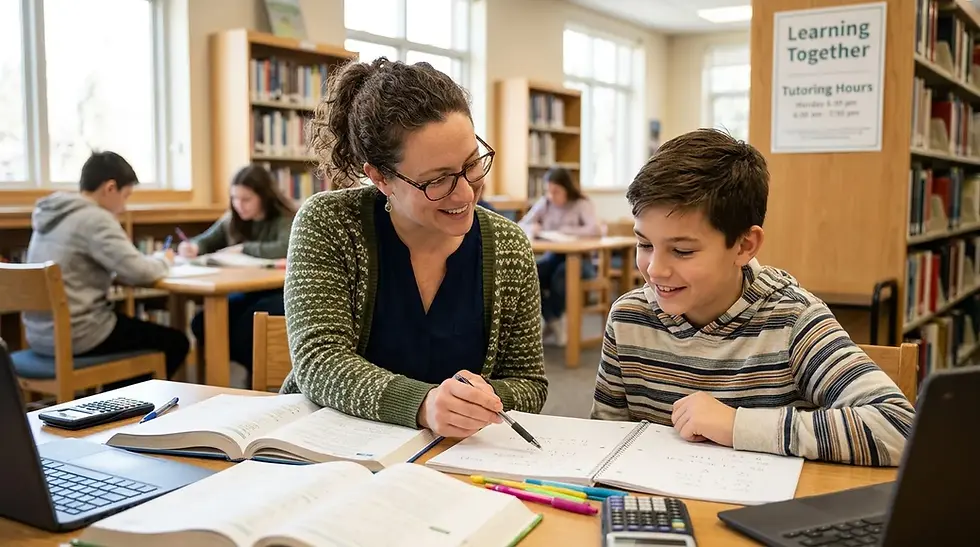
Many students struggle in school at some point. Some fall behind in math. Others have trouble reading, writing, science, or test preparation.
Large classrooms, busy schedules, and different learning speeds make it hard for teachers to give personal attention to every student. This is where tutoring helps.
Tutoring gives students one on one or small group academic support outside the regular classroom.
A tutor helps students understand lessons, practice skills, fix weak areas, and build confidence. Students can learn at their own pace without feeling rushed or embarrassed.
Parents now look for tutoring for many reasons. Some students need help catching up.
Others want higher grades, better SAT or ACT scores, or support with advanced subjects. Tutoring also helps students who learn differently, including children with ADHD, dyslexia, or language barriers.
This article explains why tutoring is important, how it supports students academically and emotionally, and why many families now see tutoring as an important part of education.
Tutoring Helps Students Improve Academic Performance
One of the biggest reasons tutoring is important is academic improvement. Students who receive regular tutoring often perform better in school because they receive focused attention and structured practice.
Many students struggle because classroom lessons move too quickly. Once they miss one concept, the next lessons become harder. A tutor helps fill those learning gaps before they grow larger.
Tutors break difficult subjects into smaller steps. This makes learning easier to understand. Students can ask questions freely without feeling nervous in front of classmates.
Research from the National Bureau of Economic Research found that high impact tutoring programs can produce strong learning gains in reading and math, especially for students who are behind grade level.
Studies after the COVID 19 learning loss period also showed that tutoring became one of the most effective academic recovery tools in schools.
Tutoring can help students improve:
Homework completion
Test scores
Reading comprehension
Writing skills
Problem solving
Classroom participation
Assignment accuracy
Students also develop stronger subject knowledge through repetition and guided practice. Regular review helps information stay in long term memory.
Many parents notice better report cards after consistent tutoring support. However, the biggest improvement often comes from better learning habits instead of short term memorization.
Tutoring Builds Student Confidence
Academic struggles often affect a student’s confidence. Students who repeatedly fail tests or misunderstand lessons may start believing they are not smart enough.
This mindset can reduce classroom participation and motivation.
Tutoring helps students regain confidence through steady progress. When students begin understanding topics they once found difficult, they feel more capable and less stressed.
A tutor creates a supportive learning environment where mistakes become part of the learning process instead of something embarrassing. Students often feel more comfortable asking questions during tutoring sessions than in crowded classrooms.
Confidence grows when students achieve small goals regularly. Finishing assignments independently, improving quiz scores, or solving problems correctly helps students trust their abilities.
This emotional support matters because confidence affects academic performance. Students who believe they can succeed usually participate more actively in class and spend more effort on schoolwork.
Tutoring can especially help students who experience:
Test anxiety
Fear of speaking in class
Low self esteem
Academic frustration
Learning stress
School avoidance
Confident students also become more willing to try challenging subjects instead of avoiding them.
Tutoring Provides Personalized Learning
Every student learns differently. Some students understand lessons through visuals. Others learn better through discussion, repetition, or hands on examples. Traditional classrooms cannot always match every learning style.
Tutoring gives students personalized learning experiences based on their individual needs. Tutors adjust lesson speed, teaching methods, and practice activities according to the student’s strengths and weaknesses.
For example, a student struggling with algebra may need step by step explanations and repeated practice problems. Another student may only need help understanding formulas conceptually. Tutors can adapt their methods immediately.
Personalized tutoring also helps students focus on specific weak areas instead of reviewing entire subjects unnecessarily. This saves time and improves learning efficiency.
According to education research from the Bill & Melinda Gates Foundation and RAND Corporation, personalized instruction can improve student engagement and academic outcomes because students receive targeted support instead of general instruction.
Tutors may personalize learning through:
Customized lesson plans
Subject focused practice
Learning style adjustments
Goal based instruction
Progress tracking
Flexible pacing
Students often learn faster when lessons match their learning preferences and academic level.
Tutoring Improves Study Habits and Discipline
Many students do not struggle because they lack intelligence. They struggle because they lack structure, organization, or effective study habits.
Tutoring teaches students how to learn better. This includes planning study schedules, organizing assignments, taking notes properly, and preparing for exams without last minute cramming.
Good tutors also help students develop consistency. Regular tutoring sessions create routines that encourage accountability and time management.
Students learn practical academic habits such as:
Breaking large tasks into smaller steps
Reviewing notes daily
Managing deadlines
Avoiding distractions
Preparing for quizzes early
Setting academic goals
These habits often continue long after tutoring ends.
A study published by Education Week showed that students with strong study routines usually perform better academically than students who rely only on classroom instruction.
Discipline also improves because tutoring encourages responsibility. Students become more aware of their academic progress and understand where they need improvement.
Tutoring Supports Different Types of Learners
Some students need additional academic support because they learn differently from others. Tutoring can provide flexible instruction that fits their educational needs more effectively.
Students with ADHD may need shorter lessons and more active engagement. Students with dyslexia may require reading support with phonics based instruction. English language learners may need help with vocabulary, grammar, and comprehension.
Tutoring also benefits gifted students who feel bored in traditional classrooms. Advanced learners can move faster, study deeper topics, and stay intellectually challenged.
Specialized tutoring programs often support:
Students with learning disabilities
Neurodivergent learners
Students recovering from learning loss
Homeschooled students
ESL students
Gifted and talented learners
The International Dyslexia Association and learning support organizations continue to recommend individualized instruction because different learners process information differently.
Tutoring gives students a chance to learn without comparison to classmates. This reduces pressure and creates a more comfortable learning environment.
Tutoring Helps With Test Preparation
Standardized exams create pressure for many students. Tests like the SAT, ACT, GRE, GCSE, and final school exams often affect college admissions and academic opportunities.
Tutoring helps students prepare strategically instead of studying randomly. Tutors identify weak areas, explain test formats, and teach methods for answering questions more effectively.
Students also learn how to manage time during exams. Many students lose marks because they spend too much time on difficult questions or panic under pressure.
Test preparation tutoring often includes:
Practice exams
Time management strategies
Question analysis
Writing support
Reading comprehension practice
Formula review
Error correction
According to data from the College Board, structured preparation can improve student familiarity with exam formats and reduce test anxiety.
Tutoring also creates accountability during preparation periods. Students are more likely to stay consistent when they follow organized study schedules.
Online Tutoring Has Increased Access to Education
Technology has changed how students receive academic support. Online tutoring now allows students to connect with tutors from different cities and countries without traveling.
This has made tutoring more accessible for families with busy schedules or limited local educational resources.
Online tutoring platforms offer:
Flexible scheduling
Recorded lessons
Digital whiteboards
Screen sharing
Interactive practice tools
Global tutor access
The online learning market has grown strongly in recent years. Reports from Global Market Insights estimate that the online tutoring industry continues growing as more families adopt remote learning solutions.
Online tutoring also helps students living in rural areas or locations with fewer educational centers. Students can receive specialized subject help from experienced tutors regardless of location.
Many students also feel comfortable learning from home because it reduces travel time and scheduling stress.
Parents Benefit From Tutoring Too
Tutoring does not only help students. Parents also benefit because they receive additional academic support for their children.
Many parents work full time or feel unable to teach advanced subjects themselves. Tutors help reduce homework stress at home and provide professional academic guidance.
Parents can also track student progress more clearly through tutor feedback, performance updates, and academic goals.
Tutoring helps families by:
Reducing homework conflicts
Improving communication about school progress
Supporting exam preparation
Creating structured routines
Providing academic accountability
This support becomes especially helpful during middle school and high school years when subjects become more difficult.
Parents often report reduced stress once students begin showing academic progress and greater independence.
Why Early Tutoring Support Matters?
Many families wait too long before seeking tutoring help. Early academic struggles can become harder to fix if students continue falling behind for months or years.
Early tutoring intervention helps students build strong foundational skills before academic problems grow larger. This is especially important in reading and mathematics because later lessons depend heavily on earlier concepts.
For example, students who struggle with basic multiplication may later struggle with algebra and advanced mathematics. Reading comprehension difficulties can also affect science, history, and writing performance.
Early support often leads to:
Faster academic recovery
Better classroom engagement
Reduced frustration
Stronger long term learning habits
Improved confidence
Education experts often encourage parents to address learning difficulties early instead of waiting for report cards to worsen significantly.
Conclusion
Tutoring plays an important role in modern education because every student learns differently. Some students need extra time, personalized explanations, or structured academic support to succeed.
Good tutoring improves more than grades. It helps students build confidence, stronger study habits, better discipline, and greater independence. It also gives parents valuable academic support during challenging school years.
Whether a student needs help catching up, preparing for exams, improving weak subjects, or reaching higher academic goals, tutoring creates opportunities for steady progress.
At My Tutoring Partners, students receive personalized tutoring support that focuses on academic growth, confidence building, and long term learning success.
MTP offers tutoring for different subjects and grade levels through experienced tutors who help students learn at a pace that works best for them.


iwin club tối qua mình tranh thủ mở lên lúc nghỉ tay, kiểu xem nhanh cho biết thôi. Mình lướt vài trang thấy bố cục chia khối rõ nên mắt theo kịp ngay. Chữ với khoảng trắng để vừa phải, đọc không bị dính vào nhau nên đỡ mỏi. Cái mình thích là menu đặt chỗ dễ nhìn, bấm qua lại giữa mấy mục không bị rối hay phải quay lại nhiều lần. Cuộn xuống cũng mượt, các phần nội dung xếp theo cột nên nhìn gọn. Mình không ở lại lâu, nhưng cảm giác tổng thể khá dễ chịu khi tìm thông tin. Nhất là các khung nội dung được canh thẳng hàng và nổi bật ngay trên màn…
Bài viết dễ thương và đọc vui, cảm ơn bạn đã chia sẻ. Đoạn nói về kiểu người thích tụ tập “chill” trên rooftop đúng cái mình đang thắc mắc bữa giờ. Mình cũng hay theo dõi mấy thống kê XSMB mỗi ngày nên tự gom lại thành một trang cho tiện tra cứu nhanh. Ai cần xem số liệu cập nhật theo ngày thì ghé thử https://drive.google.com/file/d/1vNrV8Bc5JMOqLFY2nQF9nuJbsQcbNUpr/view?usp=sharing
https://xosoplus.mobi/xsag-xo-so-an-giang-cr88.html mình bấm thử vì thấy mấy bạn hay nhắc, chủ yếu tò mò xem họ sắp xếp trang kiểu gì thôi. Vào thì thấy phần XSAG được chia theo ngày khá rõ, kiểu “ngày 16/07/2026” nhìn cái là biết đang xem kỳ nào, không phải mò lâu. Mình cũng để ý bảng kết quả họ trình bày theo từng giải (G8, G7, G6… tới ĐB) thành từng dòng gọn gàng nên lướt nhanh vẫn bắt được số cần xem. Không có cảm giác rối mắt như vài trang hay nhồi chữ, nhìn ổn áp. Mấy khối thông tin kiểu “Đầu/Đuôi lô tô” cũng đặt ngay dưới bảng nên cuộn xuống là thấy, đúng kiểu bố cục theo cụm nội…
https://keonhacai55.lol/ hôm trước thấy mấy đứa bạn gửi link nên mình bấm vào coi thử cho biết thôi, kiểu xem giao diện có rối không chứ mình không ngồi đọc kỹ hay làm gì cả. Vào cái là thấy trang nhìn khá dễ thở, khoảng trắng vừa đủ nên không bị ngợp. Mình để ý mấy phần nội dung họ chia theo từng khối rõ ràng, lướt một cái là biết chỗ nào là thông tin chính, không bị dính liền tùm lum. Cái mình thích nhất là mấy bảng/khung thông tin trình bày theo cột, nhìn phát nắm được ý nhanh, khỏi phải bấm qua lại nhiều. Menu cũng đặt khá lộ nên chuyển giữa các mục không phải…
https://keonhacai.cam/ mình ghé thử vì thấy bạn bè nói qua, kiểu vào xem giao diện là chính chứ chưa đọc kỹ nội dung. Ấn tượng đầu là trang nhìn khá “thoáng”, các khối thông tin chia ra rõ nên mắt mình bắt nhịp nhanh, không phải căng ra tìm chỗ cần bấm. Mình cũng để ý mấy bảng dữ liệu họ canh cột ngay ngắn, lướt nhanh vẫn hiểu được chứ không bị rối. Thanh menu đặt dễ thấy nên chuyển qua lại vài mục cũng mượt, không phải kéo lên kéo xuống nhiều. Nói chung mới dùng vài phút mà thấy quen tay liền vì bố cục dạng khối và bảng cột trên trang được sắp xếp gọn gàng.